Services

Exotic Leather

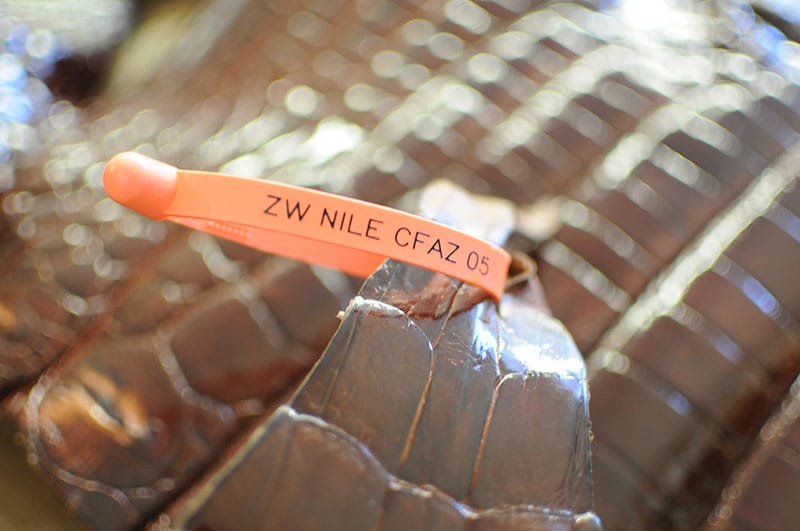
Exotic leathers Although it is a niche in the tanning sector (less than 1% of production, for an annual turnover of around 100 million euros in Italy), the sourcing of exotic leather interacts significantly with the ecosystem and local communities involved in their supply chain. The exotic species trade, in…
Read More

Terminology and Trademarks

Terminology – Italian Legislative Decree 68/2020, EU Labelling, Other Regulations and Standards The use of the term ’leather’ has historically been abused by producers of alternative materials to leather, historically of exclusively synthetic origin, but in recent years also by producers of synthetic materials mixed with natural fibres (so-called ’plant…
Read More

Tanning Waste Recovery

Tanning Waste Recovery Firstly, by recovering a precious organic material – leather – the Italian tannery has historically set itself the goal of developing and managing its transformation into a material with very high added value by adopting an integrated ’circular’ approach. Explaining how is very simple. It has created…
Read More

Chromium Management

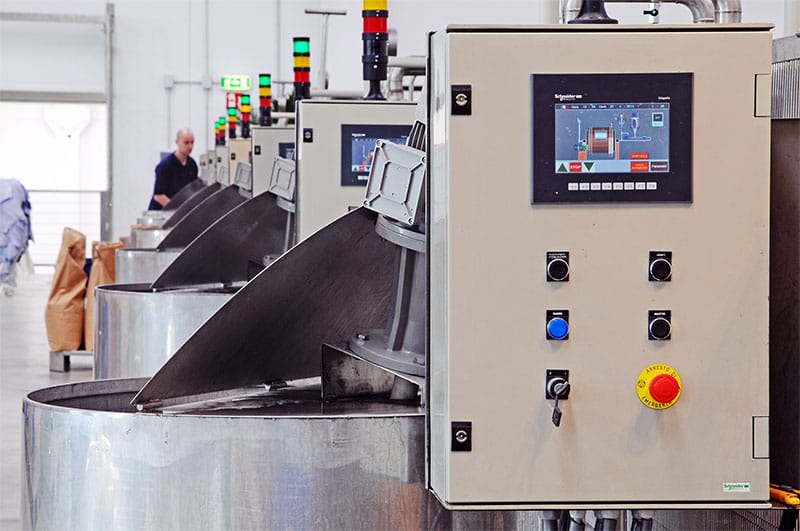
Chromium Management APPROXIMATELY 85% of the leather currently produced in the world is chrome tanned. This is due to the superior performance of chrome-tanned leathers, both due to the high stability of the collagen fibres firmly bound to the chromium, and to the advantages of the manufacturing process: relatively fast,…
Read More

Partnerships

Partnership for Sustainability The sustainability of leather necessarily derives from the commitment of the entire reference chain to this objective. The tanning industry only operates in part of the supply chain, and consequently analysing and measuring the sustainability of leather requires a strong and active involvement of all the other…
Read More

Animal Welfare

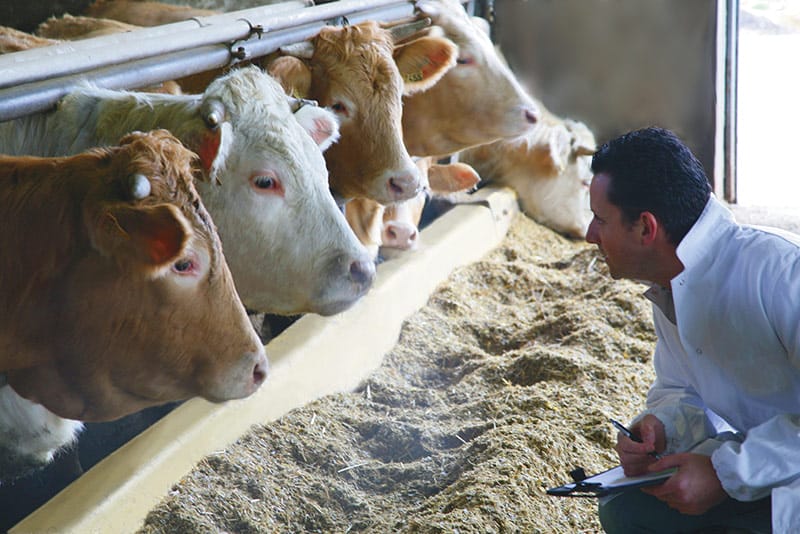
Animal Welfare THE UPSTREAM PRODUCTION CHAIN MUST GUARANTES THE HIGHEST LEVEL OF ANIMAL WELFARE. Another issue of ethical governance attracting increasing attention in terms of public opinion (institutions, clients, media, consumers) is animal welfare conditions. Leather is still the focus of unjustified media attacks from opinion movements conceptually opposed to…
Read More

Deforestation

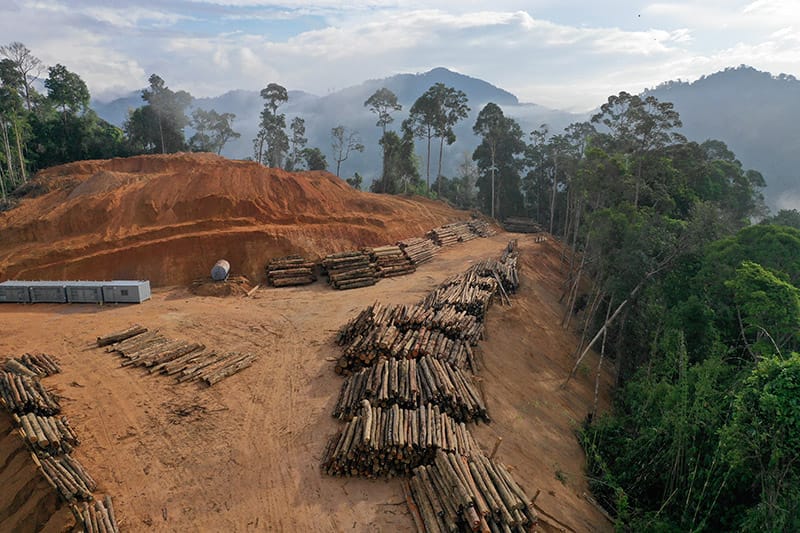
Fight against Deforestation Although “leather” material originates in slaughterhouses, where raw hides – waste from the meat industry – are recovered by the operators of our supply chain, the principle of the supply chain can be traced back, in the evaluation of specific sustainability aspects, also to the upstream part…
Read More

Traceability

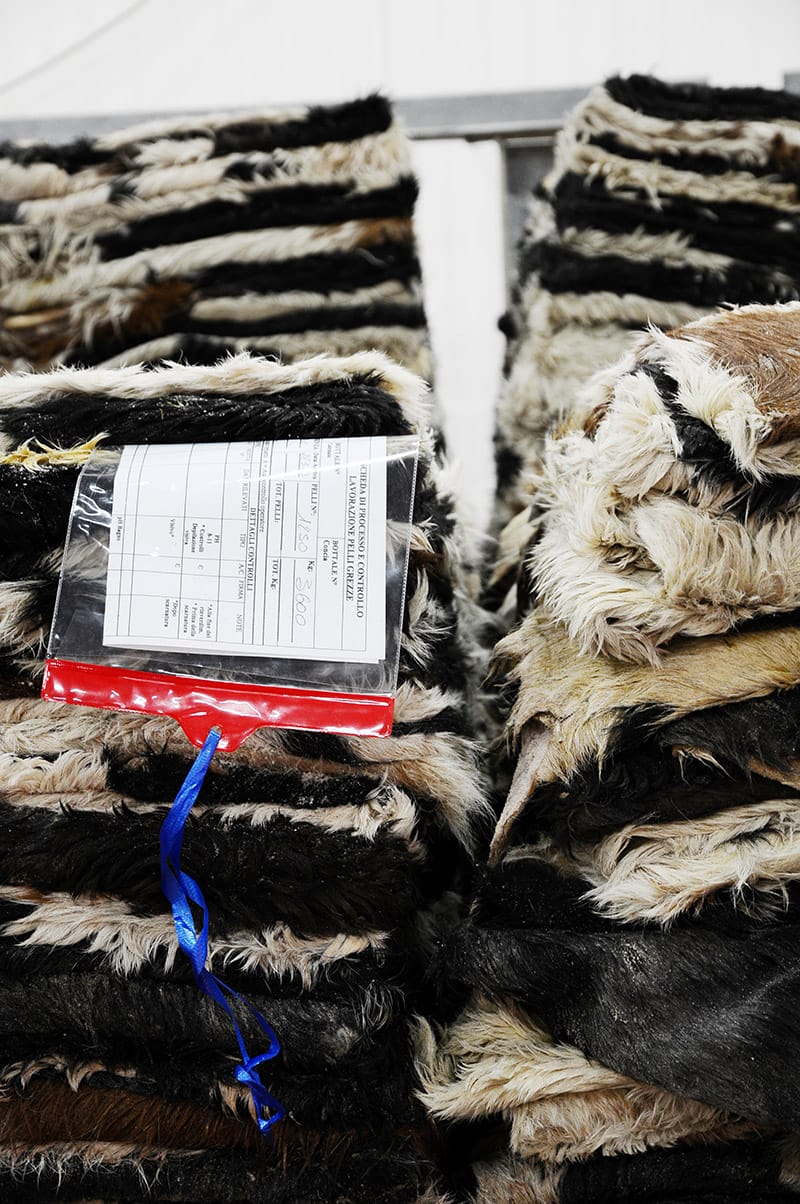
Traceability is a tool, not an objective For Italian leather, traceability is a method for guaranteeing that raw hides come from ethically acceptable and sustainable sources, with particular reference to the issues of deforestation, animal welfare and the environmental impact of breeding. The raw hides used by our industry originate…
Read More

Transparency, Origin & Made In

Transparency Producing and then communicating in a transparent way means giving the opportunity to understand the real quality of the products being offered on the market. Today more than ever, consumers want to know what surrounds them and ask for more and more information on the products they purchase, in…
Read More